Showing posts with label radioactive debris. Show all posts

Hosono: "We All Have to Share the Pain of Fukushima"

Diposkan oleh Pengetahuan dan Pengalaman on Sunday, September 4, 2011

Goshi Hosono, former assistant to ex-prime minister Kan Naoto, current minister in charge of the Fukushima nuclear accident and the new Minister of the Environment whose Ministry will have the regulatory agency for the nuclear industry and will be in charge also of the government "decontamination" and cleanup effort in Tohoku, declared on September 4 that the entire Japan must share the pain of Fukushima.


He might as well include the entire northern hemisphere, as this, as many in Japan outside Fukushima have taken to mean spreading the radioactive debris all over Japan to expedite the disposal so that "Fukushima can recover". Japan's favorite method of disposing the debris and garbage, as you now know, is to burn.


From NHK News Japanese (4:42PM JST 9/4/2011):

原発事故で放射性物質に汚染されたがれきや土壌の最終処分場について細野環境大臣は4日の会見で「福島の痛みを日本全体で分かち合うことが国としての配慮だ」と述べ、福島県以外に設けたいという考えを示しました。


Minister of the Environment Hosono said in the September 4 press conference that "it is the consideration of the national government [or as Japan as the nation] to share the pain of Fukushima by everyone [or everywhere] in Japan", reiterating his intention to create a final processing facility outside Fukushima Prefecture for debris and dirt contaminated with radioactive materials from the nuclear accident.


これは4日行われた就任会見で、細野環境大臣が明らかにしました。原発事故で放射性物質に汚染されたがれきや放射性物質を取り除く除染作業で出た土壌などの処分をめぐっては、先月、菅前総理大臣が福島県の佐藤知事に対し、一時的に管理する中間貯蔵施設を県内に整備する方向で検討していることやその施設を最終処分場にすることは考えていないという意向を伝えています。


The September 4 press conference was his first as the Minister of the Environment. Regarding the disposal of the contaminated debris and dirt removed by the decontamination work, ex-Prime Minister Kan told Governor of Fukushima Sato last month that the national government was proceeding with the plan to create a temporary storage facility in Fukushima but it had no intention of turning this facility into a final processing facility.


4日の会見で細野大臣は、中間貯蔵施設について「具体的な場所や保管しておく期間については地元の理解がなくては進めることができない」と述べ、施設を設ける場所などについては今後、地元と十分話し合ったうえで決めたいという考えを示しました。


In the September 4 press conference, Hosono said of the temporary storage facility, "We won't proceed without consulting the local people in deciding the specific location and the duration of the storage", indicating the details will be worked out after consultation with the local people.


また、最終処分場については中間貯蔵施設とは別だという認識を示した上で、「福島の痛みを日本全体で分かち合うことが国としての配慮ではないかと思っている。福島を最終処分場にはしないということは方針としてできる限り貫きたい」と述べ、福島県以外に設けたいという考えを示しました。


As to the final processing facility, he said he considered it separate from the temporary storage facility, and said further, "I believe it should be the consideration of the national government [or Japan as the nation] to share the pain of Fukushima by everyone in Japan [or everywhere in Japan]. It is my intention to stick to the plan that the final processing facility will never be built in Fukushima", reiterating his idea of creating the final processing facility outside Fukushima Prefecture.

From the Japanese word 国 (nation) as used by politicians like him, it's hard to figure which he means: national government, or the nation as a whole. In their mind, clearly they're one and the same.


How spreading the radioactive debris all over Japan to be processed and thus potentially contaminating all over Japan is supposed to ease the "pain" felt in Fukushima is simply beyond me. I would love to hear whether people in Fukushima feel their view is well represented by Minister Goshi. Maybe it is, though I hope it isn't. (Hope is not a good trading vehicle.)


The newly installed prime minister, Yoshihiko Noda, has already said, "Without the rebirth of Fukushima, there will be no rebirth of Japan".


I guess there will be no rebirth of Japan.


Those of you who are currently in Japan, you can share your views by leaving a message to Minister Hosono at the following numbers (from this tweet):

細野 豪志議員会館620号室電話03-3508-7116 FAX03-3508-3416 ■ 三島事務所 TEL055-991-1269 FAX055-991-1270 ■ 富士事務所 TEL0545-55-5411 FAX0545-55-5412

You can also send a message to him via his website: http://goshi.org/contact/

Mr. Hosono is the one who admitted on national TV that the Kan administration knew from the beginning that it was a core meltdown at Fukushima I Nuclear Power Plant, but they (him included) "just did not feel like announcing it".
More about → Hosono: "We All Have to Share the Pain of Fukushima"

Japan's Ministry of Environment to Allow #Radioactive Ashes to Be Buried in Regular Waste Final Disposal Sites

Diposkan oleh Pengetahuan dan Pengalaman on Saturday, August 27, 2011

Here we go. Radioactive Japan (or at least East Japan). Now all radioactive debris and garbage can and will be burned and buried.


The news headlines at various media outlets say "ashes that contain up to 100,000 becquerels/kg of radioactive cesium", but if you read the news carefully, as long as there are "countermeasures" to prevent the leakage of radioactive cesium into the surrounding environment, the Ministry is prepared to allow the ashes with any amount of radioactive materials to be buried in regular waste final disposal facilities.


From NHK News (8/28/2011):

原発事故で放射性物質が付着したがれきや一般ごみを燃やした灰について、環境省は、含まれる放射性セシウムが1キログラム当たり8000ベクレルを超えるものも、地下水への流出を防ぐ対策をしたうえで、埋め立てができるとする方針をまとめました。


Regarding the ashes after burning the disaster debris and regular household garbage contaminated with radioactive materials, the Ministry of the Environment has decided on a policy that will allow the burial of ashes that exceed 8,000 becquerels/kg of radioactive cesium, as long as there are countermeasures in place to prevent the leakage into the ground water.


これは、27日開かれた環境省の専門家による会合で示されたものです。放射性物質が付着したがれきの処理について、環境省はこれまで、燃やした灰に含まれる放射性セシウムが1キログラム当たり8000ベクレル以下であれば埋め立てを認める方針を示していましたが、より濃度が高い灰については一時保管するよう求め、処理方法の検討を続けてきました。


The new policy was revealed during the meeting of experts affiliated with the Ministry of the Environment on August 27. So far, the Ministry's policy has been to allow the ashes with 8,000 becquerels/kg of radioactive cesium and below to be buried, but require the ashes that exceed that level to be stored temporarily while the Ministry decides on the disposal method.


新たな方針では、放射性セシウムが8000ベクレルを超え10万ベクレル以下の場合は、放射性セシウムが地下水に流れ出ないよう、灰をセメントで固めたりコンクリートの容器に入れたりしたうえで埋め立てられるとしています。また、10万ベクレルを超える灰はさらなる対策として屋根やコンクリートの囲いがある処分場に埋め立てるとしています。


Under the new policy, if radioactive cesium in the ashes exceeds 8,000 becquerels/kg but does not exceed 100,000 becquerels/kg, the ashes are allowed to be buried after they are bound with cement or put in a concrete container. If radioactive cesium exceeds 100,000 becquerels, then the ashes should be buried in the disposal facilities with a roof and/or with the concrete shield.


一方、これまでに関東や東北地方で一般ごみを燃やした灰からも、1キログラム当たり8000ベクレルを超える放射性セシウムが検出されるケースが相次いでいましたが、環境省は一般ごみの焼却灰についてもがれきの処理方針に沿って埋め立てを認めることを決めました。これによって、各自治体は一時保管していた焼却灰の埋め立てを進めることになりますが、処分場周辺の住民の理解を得ることが課題となることも予想されます。


Radioactive cesium exceeding 8,000 becquerels/kg has been detected from the ashes from burning the regular household garbage in Kanto and Tohoku regions. The Ministry of the Environment has decided to apply the same rule as the disaster debris and allow the ashes to be buried. The municipalities will be able to bury the ashes that they have stored temporarily, but it may be difficult to obtain consent from the residents living near the disposal facilities.

The number "100,000 becquerels/kg" is significant in a sense, as the highest level of radioactive cesium found from ashes after burning the household garbage is 95,300 becquerels/kg in Fukushima Prefecture (link in Japanese). The number is high enough to clear the Fukushima garbage ashes, and it is probably high enough to clear garbage ashes from anywhere else.


Besides, as the NHK article states, even if it exceeds 100,000 becquerels/kg, all they need to do is to bury it in a disposal site with a roof or the concrete shield.


This new policy is to be applied to ashes from disaster debris and regular garbage that are radioactive. It's not mentioned in the article but the ashes and slag from the radioactive sewage sludge will be likely to be disposed under the same policy - i.e. burn and bury. (And remember the "mix and match" scheme.)


In the meantime, some garbage incinerators and sludge incinerators at waste processing plants and sewage treatment plants in cities in Kanto have become so radioactive that they have to be shut down. (More later.)


The entire country is to become the nuclear waste disposal site, because of one wrecked nuclear power plant. Talk about socializing the cost.

More about → Japan's Ministry of Environment to Allow #Radioactive Ashes to Be Buried in Regular Waste Final Disposal Sites

#Radiation in Japan: List of Prefectures in Japan That Have Said They Will Accept Disaster Debris

Diposkan oleh Pengetahuan dan Pengalaman on Tuesday, August 23, 2011

35 Prefectures from Hokkaido to Kagoshima; in other words, all over Japan.


Good news for the residents of 4 cities in Ishikawa Prefecture who do not want radioactive debris burned in their neighborhood: the cities have suspended the decision to accept disaster debris because of the opposition from the residents, even though city officials are quite willing to accept debris to "help" Tohoku.


Why these officials want to "help" Tohoku by soiling their beautiful, historical cities with radioactive materials, however small, remains a mystery to me. The only answer that I can think of is what Haruki "Detarame" Madarame of the Nuclear Safety Commission said - "It's all about money, isn't it?"


For all the other cities and prefectures, residents beware. Beware of the mass media too, who is very quick to mislead by branding the residents as "selfish" and "uncaring" for refusing to burn the radioactive debris. Or firewood. Like a heap of abuse dished out to Kyoto City residents.


Glancing through the tweets of people in Japan knowledgeable about waste management, I'm beginning to realize that there is a figurative "waste management village" whose residents are made up of experts, industry people, government officials with vested, common interest in promoting waste processing facilities - just like the "nuclear power plant village" that may or may not be unraveling.


List of Prefectures and cities that will accept disaster debris:


Hokiaido 【北海道】

札幌市、函館市、根室市、標茶町、幌加内町、大空町、清里町、登別市、北十勝2町環境衛生処理組合、根室北部廃棄物処理広域連合、釧路広域連合、 愛別町外 3町塵芥処理組合、大雪清掃組合、北斗市、苫小牧市、石狩市、千歳市、十勝環境複合事務組合、平取町外2町衛生施設組合、日高中部衛生施設組合、室蘭市日鐵セメント株式会社


Akita 【秋田】

大館町エコシステム秋田、秋田市、にかほ市、仙北市、横手市、能代山本広域市町村圏組合、八郎湖周辺清掃事務組合、大仙美郷環境事業組合、湯沢雄勝広域市町村圏組合


Yamagata 【山形】

西村山広域行政事務組合、東根市外二市一町共立衛生処理組合、最上広域市町村圏事務組合、置賜広域行政事務組合、酒田地区広域行政組合


Gunma 【群馬】

前橋市、桐生市、神流町、草津町、渋川地区広域市町村圏振興整備組合、吾妻東部衛生施設組合、西吾妻衛生施設組合、利根東部衛生施設組合、大泉町外二町清掃センター


Saitama 【埼玉】

さいたま市、川越市、所沢市、飯能市、加須市、春日部市、狭山市、入間市、桶川市、坂戸市、川島町、蓮田市白岡町衛生組合、志木地区衛生組合、彩北広域清掃組合、秩父広域市町村圏組合、埼玉中部環境保全組合


Tokyo 【東京】

東京二十三区清掃一部事務組合+多摩市町村及び一部事務組合+1都3県産廃処理施設


Kanagawa 【神奈川】

横浜市、川崎市、 横須賀市、藤沢市、茅ヶ崎市、逗子市、大和市、南足柄市、箱根町、厚木市、相模原市、小田原市、泰野市伊勢原市環境衛生組合、高座清掃施設組合、足柄東部清掃組合、足柄西部清掃組合


Toyama 【富山】

高岡市、氷見市、射水市、富山地区広域圏事務組合、新川広域圏事務組合、砺波広域圏事務組合


Ishikawa 【石川】

金沢市、輪島市、加賀市、能登市、七尾鹿島広域圏事務組合、羽咋郡市広域圏事務組合、白山石川広域事務組合、 奥能登クリーン


Yamanashi 【山梨】

峡南衛生組合、甲府市、山中湖村、笛吹市


Gifu 【岐阜】

大垣市、高山市、多治見市、中津川市、瑞浪市、山県市、下呂市、岐阜鳥羽衛生施設組合、可茂衛生施設利用組合、南濃衛生施設利用事務組合


Shizuoka 【静岡】

伊東市、函南町、志太広域事務組合、牧之原市御前崎市広域施設組合、袋井市森町広域行政組合


Aichi 【愛知】

蒲郡市、刈谷知立環境組合、尾三衛生組合、尾張東部衛生組合、稲沢市、北設広域事務組合、豊川市


Mie 【三重】

いなべ市、四日市市、鈴鹿市、亀山市、津市、鳥羽市、志摩市、尾鷲市、紀北町、熊野市、伊賀南部環境衛生組合、桑名広域清掃事業組合、伊勢広域環境組合


Shiga 【滋賀】

草津市、栗東市、彦根市、中部清掃組合、湖北広域行政事務センター、大津市


Kyoto 【京都】

亀岡市、船井郡衛生管理組合、京都市、伊根町


Osaka 【大阪】

岸和田市貝塚市清掃施設組合、吹田市、高槻市、枚方市、茨木市、岬町、柏羽藤環境事業組合、泉南清掃事務組合、泉佐野市田尻町清掃施設組合、東大 阪都市清 掃施設組合、箕面市、摂津市、寝屋川市、豊中市、熊取町、堺市、四條畷市交野市清掃施設組合、泉北環境整備施設組合、池田市、門真市、大阪市


Hyogo 【兵庫】

神戸市、姫路市、尼崎市、明石市、西宮市、洲本市、芦屋市、相生市、豊岡市、加古川市、宝塚市、三木市、高砂市、三田市、加西市、篠山市、養父 市、丹波 市、南あわじ市、朝来市、淡路市、播磨町、佐用町、香美町、新温泉町、揖龍保健衛生施設事務組合、中播北部行政事務組合、洲本市・南あわじ市衛生事務組 合、小野加東環境施設事務組合、くれさか環境事務組合、猪名川上流広域ごみ処理施設組合


Nara 【奈良】

大和郡山市、天理市、生駒市、田原本市、南和広域衛生組合、十津川村


Wakayama 【和歌山】

和歌山市、御坊広域行政事務組合、岩出市、田辺市


Tottori 【鳥取】

鳥取中部ふるさと広域連合、日野町江府町日南町衛生施設組合、三光株式会社境港市


Shimane 【島根】

浜田地区広域行政組合、海士市、松江市


Okayama 【岡山】

岡山市、倉敷市、玉野市、新見市、備前市、真庭市、岡山県西部環境整備施設組合、岡山県井原地区清掃施設組合、総社広域環境施設組合


Hiroshima 【広島】

広島市、福山市、呉市、尾道市、大竹市、山県郡西部衛生組合、広島中央環境衛生組合、安芸地区衛生施設管理組合、庄原市、廿日市市


Yamaguchi 【山口】

岩国市、山陽小野田市、周南地区衛生施設組合


Tokushima 【徳島】

徳島市、北島町、中央広域環境施設組合


Kagawa 【香川】

高松市


Ehime 【愛媛】

西条市、内山衛生事務組合、新居浜市、株式会社イージーエス・新居浜市、オオノ開發株式会社・東温市


Kochi 【高知】

香南清掃組合、高吾北広域町村事務組合、四万十町、嶺北広域行政事務組合


Fukuoka 【福岡】

宮若市外二町じん芥処理施設組合、筑紫野・小郡・基山清掃施設組合、北九州市、八女市、糸島市、甘木朝倉三井環境施設組合、うきは市


Nagasaki 【長崎】

県央県南広域環境組合、五島市、東彼地区保健福祉組合、長崎市


Kumamoto 【熊本】

熊本市、大牟田・荒尾清掃施設組合、天草市、山都町、天草広域連合、水俣芦北広域行政事務組合、阿蘇広域行政事務組合


Oita 【大分】

佐伯市、豊後高田市、豊後大野市、国東市、別杵速見地域広域圏事務組合


Miyazaki 【宮崎】

都城市、延岡市、串間市、えびの市、宮崎市


Kagoshima 【鹿児島】

伊佐北姶良環境管理組合、南薩地区衛生管理組合、大隅肝属広域事務組合、霧島市、いちき串木野市、鹿児島市
More about → #Radiation in Japan: List of Prefectures in Japan That Have Said They Will Accept Disaster Debris

New Word to Learn for Non-Japanese Speakers: "Dango"

Diposkan oleh Pengetahuan dan Pengalaman

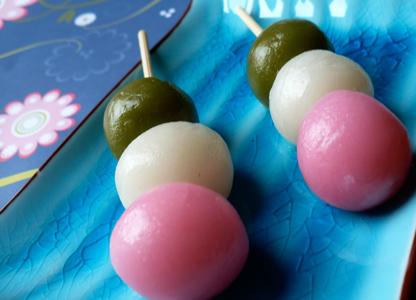
"Dan-goh", with the second syllable pronounced long. If you pronounce it short, it will mean "sweet rice-flour dumplings", which look like these in the photo.


So what is "dango"? It is a long-standing business practice in Japan across many, many industries but particularly heavily used in the construction industry whereby the competitors get together and arrange who will win the bid and at what price. It's a fine example of "give and take", or "I scratch your back and you'll scratch my back later". A contractor who is not to get the job this time is scheduled to get the next one, or a contractor who is to get the job promises to subcontract or form a joint venture with a competitor. No one will underbid. Industrial harmony. The winner is pre-selected, and to make up the appearance (and to make the selection committee look like it is doing the job) the bidders often craft their bids that are intentionally inferior to the bid by the pre-selected winner.


In exchange for the orderly market, it usually ends up costing the taxpayers a bit more and enriching those local government officials with strong ties to these colluding companies.


Now, Miyagi Prefecture, whose governor's idea of "recovery" is to build a memorial museum and memorial park for the March 11 disaster, has started to solicit bidding on the disaster debris cleanup jobs. With huge amount of money to be spent freely (remember, now it's the national government paying for the cleanup) to the tune of 240 billion yen (US$3.13 billion) - the largest project size for Miyagi Prefecture - the nation's construction industry got in shape quickly to do the "dango" to divvy up the money and help clean up the disaster debris, which is likely to be pretty radioactive.


Radiation? What radiation? We have the "dango" to do.


From Asahi Shinbun (5:01AM JST 8/24/2011):

 宮城県は23日、東日本大震災で発生した石巻地区のがれき処理を大手ゼネコン・鹿島を代表とする計9社の共同企業体(JV)に委託すると発表した。事業費は同県発注事業で最大規模の約2400億円。学識者らでつくる審査委員会が、公募に応じた2JVの中から発注先を決めた。


Miyagi Prefecture announced on August 23 that the cleanup of disaster debris in the Ishinomaki district will be awarded to the joint venture of 9 companies headed by Kajima, one of the largest general contractors in Japan. The project cost will be about 240 billion yen [US$3.13 billion], the largest ever for the prefecture. The selection committee made of experts chose between the two joint ventures who submitted the proposals.


 県には、企業体が審査会に選定にあたっての提案をする前に、このJVが受注することで調整を済ませているとの談合情報が寄せられていたという。


The prefecture was reportedly informed of a "dango" taking place, where the Kajima JV's winning the contract had been predetermined by the participants even before the proposals were submitted to the selection committee.


 同県内では震災で発生したがれきが約1500万トンにのぼり、同県の一般ごみ23年分にあたる膨大な量となっている。


Miyagi Prefecture has 15 million tonnes of disaster debris, which is equal to 23 years worth of regular garbage in the prefecture.

More and much more to come. The debris cleanup, which was going nowhere at all after 5 months since the March 11 triple disaster, will be done very quickly now that the big contractors are assured of the big money. Already, also in Miyagi Prefecture, a big paper company has signed a contract with the prefectural government to burn the disaster debris for the company's thermal power generation to power the company's plant in Ishinomaki City. The excess electricity will sold to Tohoku Electric, according to Kahoku Shinpo (in Japanese; 8/23/2011).


They're going to burn the radioactive debris to generate electricity, and they will get paid for taking the debris as fuel.


And these general contractors in joint ventures will burn, bury, and burn more, with the help of junior JV partners which often include small construction firms owned and operated by the senior officials in the local municipalities, including mayors.

The other JV who supposedly lost out on this bid will surely get their job for the next round of disaster debris cleanup, because that's the whole point of "dango" - secure job for everyone, over time.


Professor Kodama of Tokyo University warned against this very "dango" in his testimony in the Diet. Ah but Japan is finally on the way to recovery. "Dango" collusion is back! Radioactive or not.

More about → New Word to Learn for Non-Japanese Speakers: "Dango"

#Radiation in Japan: A Hokkaido Town Measures Radiation As "Temporary" Disaster Debris Depot May Be Coming Near Them

Diposkan oleh Pengetahuan dan Pengalaman on Thursday, August 18, 2011

A neighborhood association in a district in Tomakomai City in Hokkaido has started to measure the radiation levels throughout the district to obtain the baseline data. Why? Because a "temporary" depot to store the disaster debris from Tohoku may be coming near them.


Now that it's a law of their land that the national government will be doing the debris collection and disposal, many cities and towns who have mostly escaped the radioactive plume from Fukushima I Nuclear Power Plant may receive their "share" of radiation via radioactive debris - either as is, or in the form of radioactive ashes after the debris gets burned.


From Hokkaido Shinbun (8/18/2011):

苫小牧市の沼ノ端中央町内会(竹田秀泰会長、815世帯)が、放射線量の測定を独自に始めた。近くの苫小牧東部地域(苫東)が東日本大震災のがれき置き場の候補地となっており、同町内会は「仮にがれきを受け入れた場合、受け入れ前と比べ放射線量がどう変化するかの基礎資料にしたい」と話している。


The Numanohata Central Neighborhood Association in Tomakomai City [in Hokkaido] with 815 households has started the radiation survey on its own. Nearby Komato [Tomakomai East - an ill-fated national industrial development project from 1960s] is one of the candidate sites in Hokkaido for storage of the disaster debris. The Association says, "If the debris come here, we would like to have the baseline data on radiation so that we could compare before and after".


 道によると、町内会単位での定期的な放射線量測定は「聞いたことがない」(原子力安全対策課)という。


According to the Hokkaido prefectural government (nuclear safety measures section), they've never heard of a systematic radiation measurement on the neighborhood association level.


 沼ノ端中央町内会はJR沼ノ端駅南側に位置し、苫東から10キロ圏内にある。


The Numanohata Central Neighborhood Association covers the area south of Numanohata train station, and the area is within 10 kilometers of Tomato.

I don't think these townspeople want the debris, neither do the residents in cities and towns throughout Japan (from Hokkaido to Kagoshima in Kyushu) where the disaster debris may go for "temporary" storage or final disposal. But there seems to be some sort of campaign is starting, whereby notable "celebrities" appear in the MSM to either praise Fukushima (prefecture) for perseverance in the face of adversity or denounce those Japanese who do not want radiation in their neighborhood or in their food as "selfish".


Perverse.

More about → #Radiation in Japan: A Hokkaido Town Measures Radiation As "Temporary" Disaster Debris Depot May Be Coming Near Them

#Radiation in Japan: Bill That Will Allow the National Government to Dispose Radioactive Debris Set to Be Submitted To the Diet, Will Probably Pass

Diposkan oleh Pengetahuan dan Pengalaman on Sunday, August 14, 2011

by a coalition of 3 largest political parties - Democratic Party of Japan (DPJ, ruling party), Liberal Democratic Party (LDP), and New Komei Party (NKP) - that make up 92% of the Lower House and 85% of the Upper House.


In other words, the bill is guaranteed to pass and be written into law.


From NHK News (8/15/2011):

民主・自民・公明の3党は、東京電力福島第一原子力発電所の事故の影響で、放射性物質が付着したがれきの処理が進んでいないことから、国の責任で収集から処分までを行うなどとした法案を、今週、今の国会に共同で提出し、成立を目指すことになりました。

The Democratic Party of Japan, the Liberal Democratic Party, and the New Komeito Party will submit a joint bill during the current session of the Diet that will allow the national government to collect and dispose the debris contaminated with radioactive materials from the Fukushima I Nuclear Power Plant accident to expedite the cleanup.

福島第一原発の事故の影響で、放射性物質が付着したがれきの処理は、原発に近い警戒区域などでは、 収集も含めて進んでおらず、どのように対応するかが大きな課題となっています。こうした状況を踏まえ、民主・自民・公明の3党は、放射性物質が付着したが れきの処理を、国の責任で速やかに進めるための法案をまとめました。具体的には、原発の周辺など、汚染が著しい地域のがれきをはじめ、それ以外の地域でも 放射性物質が一定の基準を超えるがれきは、国の責任で収集から処分までを行うとしています。また、放射性物質で汚染された土壌についても、汚染が特に深刻 な地域では、国の責任で除染を行うとしています。がれきの処理や土壌の除染にかかった費用は、国や自治体が、最終的に東京電力に請求できるようにする方針 で、3党は、今週、今の国会に法案を共同で提出し、成立を目指すことにしています。

The disposal of the radioactive debris after the Fukushima accident hasn't even started in the no-entry zone closest to the plant. The three parties have compiled a bill that will allow the national government to quickly dispose the radioactive debris. Under the bill, the national government would be responsible for collecting and disposing the debris in the highly contaminated areas [around the plant] as well as the debris outside such areas whose radioactive materials test above certain levels. As to the contaminated soil, the national government would be responsible for decontamination in the highly contaminated areas. The cost for debris disposal and soil decontamination would be eventually billed to TEPCO by the national and municipal governments. The parties are planning to submit the bill this week and hope to have it passed during the current session of the Diet.

Goshi Hosono, minister in charge of the nuclear accident, already said on August 13 that the radioactive debris in Fukushima wouldn't remain in Fukushima. He said the radioactive debris would be "temporarily" stored in cities and towns in Fukushima with the national government's financial assistance, but the final processing of the debris would be done outside Fukushima. (from Yomiuri Shinbun, 8/13/2011)

Mix and match, dilute away and bury everywhere is what is going to happen. An increasingly pessimistic Hiroaki Koide says that's the price the citizens will have to pay for having allowed nuclear reactors all over Japan.

Without waiting for the national government's decision, Fukushima City has already been secretly burying the radioactive dirt and sludge in a remote part of the town without telling the residents. Oh it's just temporary, the city official says. Asahi Shinbun broke the news in Japan on August 5 (Japanese print version only, buried on the page 35), but there's absolutely no follow up anywhere. Not a peep. Local Fukushima papers maintain total silence on the issue.


Curiously, Asahi maintains an English site full of Fukushima accident news, and the news of Fukushima City dumping radioactive dirt was in this English site. The article has this picture of dump trucks dumping bags of radioactive dirt and sludge from Fukushima City's decontamination effort by volunteer citizens:


If you go to the article, you'll read that some of these bags measure over 9.9 microsieverts/hour (the level was beyond what the portable survey meter could measure).

I wonder how long the "temporary" period is going to last. Several decades, maybe. Politicians are good at kicking the can, everywhere. As Dr. Shunichi "100 millisieverts are safe" Yamashita, a good politician doctor, has said already, "I won't be responsible, because I'll be dead by then."

More about → #Radiation in Japan: Bill That Will Allow the National Government to Dispose Radioactive Debris Set to Be Submitted To the Diet, Will Probably Pass

#Radiation in Japan: Practically Any Radioactive Debris Will Be Burned and Buried

Diposkan oleh Pengetahuan dan Pengalaman on Wednesday, August 10, 2011

when the Ministry of the Environment decides on the base plan after it runs the plan with the so-called experts that the ministry relies on (i.e. rubber-stamp).


Great leap forward in recovery and reconstruction.


From Yomiuri Shinbun (1:38AM JST 8/10/2011):

東京電力福島第一原発事故により放射性物質が付着したがれきや汚泥の焼却灰について、環境省は10日、すべての焼却灰について技術的に埋め立ては可能とする処理方針の原案を公表した。


On August 10, the Ministry of the Environment made public the base plan for the ashes from burning the debris and sludge that contain radioactive materials from the Fukushima I Nuclear Power Plant accident. The plan would technically allow all the ashes to be buried.


同日開催された同省の有識者会議「災害廃棄物安全評価検討会」に示され、早ければ今月中に処理方針を固める。


The plan was given on the same day to the ministry's committee of experts to evaluate the safety of disaster debris disposal, and the ministry hopes to finalize the plan before the end of August.


 同省は6月、放射性セシウム濃度が1キロ・グラム当たり8000ベクレル以下の場合、最終処分場に埋め立ててもよいとする方針を発表したが、8000ベクレルを超える場合は一時保管を求め、最終的な処分方法を示していなかった。原案では、8000ベクレル超の焼却灰を埋め立てる場合、地下水の汚染を防ぐために、セシウムと水が接触しない状況を作るか、適切に排水処理をする必要があると指摘。8000~10万ベクレルの焼却灰については、〈1〉雨水が入らない屋根付き処分場を用いる〈2〉耐久性がある容器に入れる〈3〉セメントを混ぜて固める――などの措置を求めた。


In June, the ministry announced that the ashes that test up to 8,000 becquerels/kg of radioactive cesium can be buried in the final disposal facilities. It called for the temporary storage of the ashes that exceed 8,000 becquerels/kg but didn't specify the final disposal procedure. In the base plan announced on August 10, to bury the ashes whose radioactive cesium exceeds 8,000 becquerels/kg, some measures need to be taken to prevent radioactive cesium from making contact with ground water, or to process the runoff appropriately. For the ashes that measure 8,000 to 100,000 becquerels/kg, the plan calls for: 1) processing facilities with roofs; 2) durable containers; 3) mixing the ashes with cement to solidify.

The whole plan is moot, because, on the side, the ministry has already told municipalities that they can "mix and match" - burn radioactive debris and sludge with non-radioactive debris and sludge to lower the radiation below whatever the limit the ministry sets, which has been 8,000 becquerels/kg and now 100,000 becquerels/kg if the plan gets an approval from the expert committee. The ministry set the limit for Fukushima Prefecture, then notified other prefectures to "refer to the Ministry's instruction to Fukushima Prefecture and notify the municipalities accordingly".


The Ministry of the Environment, which is likely to be selected as the new regulatory authority over the nuclear industry in Japan, is not very known for timely disclosure of information online. This base plan, if it is announced on their site, is buried so well that I can't find it. The latest information on the earthquake/tsunami disaster debris is dated July 28, which specified the "temporary" storage of the ashes that exceed 8,000 becquerels/kg of radioactive cesium.


It looks like the ministry is simply making this "temporary" storage into permanent.


Expertise to deal with anything radioactive is non-existent at this ministry. Good luck Japan.

More about → #Radiation in Japan: Practically Any Radioactive Debris Will Be Burned and Buried

Arnie Gundersen: Lethal Levels of Radiation at Fukushima: What Are the Implications?

Diposkan oleh Pengetahuan dan Pengalaman on Saturday, August 6, 2011

In the latest video on Fukushima (8/4/2011), Arnie Gundersen of Fairewinds Associates thinks 10-plus sieverts/hour radiation at the base of the exhaust duct is from cesium that has been released from the Containment Vessel of Reactor 1, condensed and accumulated at the bottom over time.

I don't necessarily agree with his hypothesis, but that's not what I was surprised when I saw the video. He says that the highly radioactive debris have been "bulldozed under", and when the debris are unearthed in the future we will see more high radiation spots.

I don't remember reading the news that the radioactive debris at the plant were ever actually buried. I remember one person who did say "Dig a hole, bury the debris so that the workers can work", Michio Ishikawa of the Japan Nuclear Technology Institute, a strong proponent of nuclear power who expressed a very pessimistic view of the TEPCO/government response to the Fukushima nuclear accident in late April.

Ishikawa also said the core had melted down and probably out of the RPV. That was officially admitted 2 weeks later. He also said a bridgehead must be built do the reactor, and forget about the turbine building. That also happened. Workers entered the reactor buildings, and they installed the heat exchangers for the Spent Fuel Pools (Reactors 2, 3, 4, and Reactor 1's heat exchanger has just been installed).

Is it possible that Ishikawa's suggestion on radioactive debris was also carried out? Or Is Gundersen simply mistaken? Or does he have some insider source?

Anyway, here's Mr. Gundersen's video:

Lethal Levels of Radiation at Fukushima: What Are the Implications? from Fairewinds Associates on Vimeo.

More about → Arnie Gundersen: Lethal Levels of Radiation at Fukushima: What Are the Implications?

#Radiation in Japan: Ashes With Up To 100K Becquerels/Kg Cesium May Be Buried, If Ministry of Environment So Decides

Diposkan oleh Pengetahuan dan Pengalaman on Thursday, July 14, 2011

And it is likely that it will do so.

Do not believe for a moment it is only within Fukushima Prefecture, because it isn't. Prefectures and municipalities that have found radioactive cesium in the ashes in the household garbage incinerators have already adopted the Fukushima standard as their standard, due to the lack of specific guidance from the government addressed to their specific localities.

The Ministry of the Environment has already issued a guidance to mix the potentially radioactive debris with regular industrial waste and burn, so that the resulting ashes will test lower than 8,000 becquerels/kg cesium content. Now the limit will be 100,000 becquerels/kg; coupled with the mix and match operation, probably they can bury just about anything. Maybe even those radioactive debris and waste on Fukushima I Nuke Plant.

According to the Guardian article on July 13, the workers at Fukushima I Nuke Plant are still removing 23,000 firefighter suits discarded around the reactors, packing them up, and shipping to a nuclear waste disposal facility. Why bother?

Spread radiation with impunity!

From Jiji Tsushin (7/14/2011):

10万ベクレルまで大幅引き上げ=福島の放射性がれき埋め立て基準-環境省

Limit for burying radioactive debris from Fukushima to be raised to 100,000 Becquerels/Kg - Ministry of the Environment

 環境省は14日、福島第1原発事故で放射性物質に汚染された恐れのある福島県内のがれきの焼却灰について、一般の最終処分場での埋め立てを認める放射性セシウム濃度の基準を、現在の1キロ当たり8000ベクレル以下から10万ベクレル以下まで引き上げる検討を始めた。同省の有識者会議で、地下水への汚染防止策を施すことなどで、安全に埋め立てができる条件を整理する。

Japan's Ministry of the Environment started the discussion on July 14 to raise the limit for radioactive cesium in the ashes from debris in Fukushima that are suspected to be radioactive in the wake of the Fukushima I Nuclear Plant accident. The current safety limit is 8,000 becquerels/kg of radioactive cesium. The Ministry is considering to raise this limit to 100,000 becquerels/kg. The Ministry will call a meeting of experts to come up with the conditions for burying the ashes safely, such as measures to prevent groundwater contamination.

 同省は先月、8000ベクレル以下なら埋め立てを認め、このレベルを超えると処分場に一時保管する方針を示した。ただ、東京都や千葉県の一般ごみから、8000ベクレルを超える焼却灰が相次ぎ見つかっていることなどから、一時保管後の処分方法の検討を急ぐことにした。

Last month, the Ministry announced its policy to allow the burying of the ashes as long as they test 8,000 becquerels/kg and lower, and to temporarily store the ashes if they exceed that level. However, with discoveries of ashes from regular household wastes that exceed 8,000 becquerels/kg in Tokyo and Chiba, the Ministry has decided to speed up on the policy on the disposal after the temporary storage.

You can be assured that these experts would never object as a group. Probably there are one or two who will raise a token concern (that's their role), but the majority will give them assurance that it will be OK, and the Ministry will quote this expert group as the reason for its decision.

I will look up information on the final waste disposal plant specs in Japan.

I can almost bet there are no rubber liners or anything to prevent any leakage of toxic substance, not to mention radioactive waste that should be going to nuclear waste disposal facilities to begin with. Why do I think that way? Because if the so-called experts are thinking about putting in measures to prevent groundwater contamination, there is none, as of now.

More about → #Radiation in Japan: Ashes With Up To 100K Becquerels/Kg Cesium May Be Buried, If Ministry of Environment So Decides

#Radiation in Japan: Mix and Match, and Fukushima's Radioactive Debris Can Be Burned and Buried

Diposkan oleh Pengetahuan dan Pengalaman on Sunday, June 19, 2011

"Radiation. If we all share it, there's nothing to fear."

Japan's Ministry of the Environment has decided, upon advice from the experts, that it is OK to burn the radioactive debris in Fukushima Prefecture and bury the ashes in the final processing plant as long as the burned ashes do not contain more than 8,000 becquerels per kilogram of radioactive materials, according to Yomiuri Shinbun (6/19/2011).

The paper also reports that the trick will be to "mix and match":

同省では、がれきと他の廃棄物を混ぜて燃やした場合、この基準を超えるケースは少ないと見ており、大半の焼却灰は埋め立てられることになった。

The Ministry believes that if the [radioactive] debris is burned with other wastes, there will be only a few cases in which this standard [of 8,000 becquerels/kg] will be exceeded. Thus, most of the ashes will be buried.

What happens if one of those rare cases happens and the ashes measure more than 8,000 becquerels/kg?

また、8000ベクレルを超えた場合は、最終処分場や放射線を遮蔽できる施設で一時保管し、その後の処分方法については引き続き検討をする。焼却炉の集じ ん機から回収された微細な灰は、含まれる放射性物質が水に溶けやすいなどの理由から、基準にかかわらず一時保管の対象とする。

If [the ashes] exceed 8,000 becquerels/kg, they will be temporarily stored at the final processing plant or in a facility that could shield radiation, and the final disposal method will be further discussed. The fine ashes collected from the dust collectors of the incinerators will be stored temporarily regardless of the standard, because the radioactive materials in them are water-soluble.

Temporary storage means just that, temporary. They will wait long enough for people to forget (or give up), and they will bury those ashes too.

So spread the good word - radioactive debris can be burned and buried, as long as you mix with something else and "dilute" the radiation!

This is insanity. It reminds me of a satirical saying in Japan long time ago, meant as a joke:

赤信号、みんなで渡れば怖くない。
"Red light. If we all cross the street together, there's nothing to fear."

So now, in Japan,

放射能、みんなで浴びれば怖くない。
"Radiation. If we all share it, there's nothing to fear."

More about → #Radiation in Japan: Mix and Match, and Fukushima's Radioactive Debris Can Be Burned and Buried

#Fukushima #Radioactive Debris to Be Disposed of As Regular Debris

Diposkan oleh Pengetahuan dan Pengalaman on Saturday, May 28, 2011

Radioactive sewage sludge sold as cement, radioactive teas sold unchecked. Now radioactive debris in the middle section of Fukushima Prefecture to be burned and buried like normal debris, because the radiation level is "low", according to the Ministry of Environment.

The Ministry of Environment has just given an OK sign to 10 towns and villages in the middle section of Fukushima Prefecture called "Naka-dori" region to burn, bury, or recycle the debris from the disaster (earthquake/tsunami) contaminated with radioactive materials, because the air radiation levels in these cities and villages were less than that of the city in the "Aizu" region (western third of Fukushima) with the highest level of air radiation.

Does that make sense? I don't know any more, but that's what the Ministry is saying in its press release (original in Japanese). To roughly summarize:

1. Debris from the earthquake/tsunami in Fukushima's "Hama-dori" (ocean 1/3) and "Naka-dori" (middle 1/3) have been stored in temporary storage depots, but now in ten towns and villages [they are all in the south-eastern corner of "Naka-dori", the middle 1/3 of Fukushima, adjacent to "Hama-dori", the ocean 1/3] they can be processed as regular debris.

However, just in case, they are to be processed within Fukushima Prefecture for the time being. As for shipping them and processing outside Fukushima, it is to be decided after the experts discuss in the meeting.

2. The reasons for resuming the processing in these 10 towns and villages:

1) These towns and villages have their air radiation levels less than that of "Aizu" region [western 1/3 of Fukushima Prefecture], considered least affected by the Fukushima I Nuke Plant accident in terms of radiation contamination. Specifically, their air radiation levels are the same as or less than that of Sakashita-machi in the Aizu region that has the highest air radiation level in Aizu and also has a large amount of the disaster debris.

2) Air radiation levels at the debris depots were not much different from the background air radiation. In some cases, the air radiation level at the depot was lower than the level in the town.

These 10 towns and villages have total of 6,155 tons of debris, which they can now burn, bury, or recycle.

The page 5 of the Ministry of Environment release shows the air radiation levels in those cities (I added the labels in English):

At the highest depot, the air radiation level at a distance of 1 meter from the debris was 0.31 microsievert/hour. That would be 2.7 millisieverts per year.

In a post-nuke disaster Japan, that is totally OK and acceptable.

The Ministry's release does mention the "clearance level" in passing (in page 2), which is one-hundredth of the annual allowable radiation dosage of 1 millisievert. The clearance level therefore is 10 microsieverts per year, or 0.001 microsievert/hour. Debris at the depots in these towns and villages, needless to say, exceeds this clearance level by a big fat margin.

My questions:

1. Why does the Ministry ignore the clearance level, which is specified by law? The debris exceed the clearance level.

I guess I know the answer to my own question. The Ministry of Education did it, and upped the radiation for kids to 20 millisieverts per year because "this is an emergency", with a promise to keep the actual exposure as low as possible without saying how. If the Ministry of Education can do it, so can the Ministry of Environment! Everybody's doing it!

(Hey that's like the "foreclosuregate" in the US! All the banks do it - robo-signing, foreclosing without the clear title, issuing mortgage-backed securities without any mortgage in the pool - so what's the big deal?)

2. How is it possible that the depots that have piles of debris with radioactive materials test lower in air radiation than background radiation? It just defies the common sense. You put the radioactive debris in one place, and the radiation measures lower?

3. Why is a town in Aizu region with the HIGHEST air radiation level chosen as a reference, instead of picking a town with the LOWEST radiation level, if the Ministry wants to ensure safety?

I think I know the answer to my own question No.3. If the Ministry had picked the town with the lowest radiation level in Aizu, none of the debris in the "Naka-dori" region could be burned, buried, or recycled.

4. What is the point of deciding by the air radiation level at the debris depot, to begin with?

These are some numbers from TEPCO's latest contamination map of Fukushima I Nuke Plant. Notice that the air radiation level is much lower than the radiation on the debris themselves:

  • Water transfer pipe: surface 130 millisieverts/hr, airborne 25 millisieverts/h

  • Dropped rubble: surface 160 millisieverts/hr, airborne 40 millisieverts/hr

So these debris in these towns and villages could have much higher radiation if the radiation were measured on the surface.

But now the Ministry of Environment has given the permission for the debris to be burned without special filters or system to capture the radioactive materials, buried without consideration for groundwater or soil contamination, or recycled. Soon, the Ministry will allow the debris to be shipped outside Fukushima to be burned, buried, and recycled.

Share the pain. Share the radioactivity. Let everyone suffer the consequence of TEPCO's and the government's mismanagement and pollute the entire country. That seems to be the Japanese way.

More about → #Fukushima #Radioactive Debris to Be Disposed of As Regular Debris